

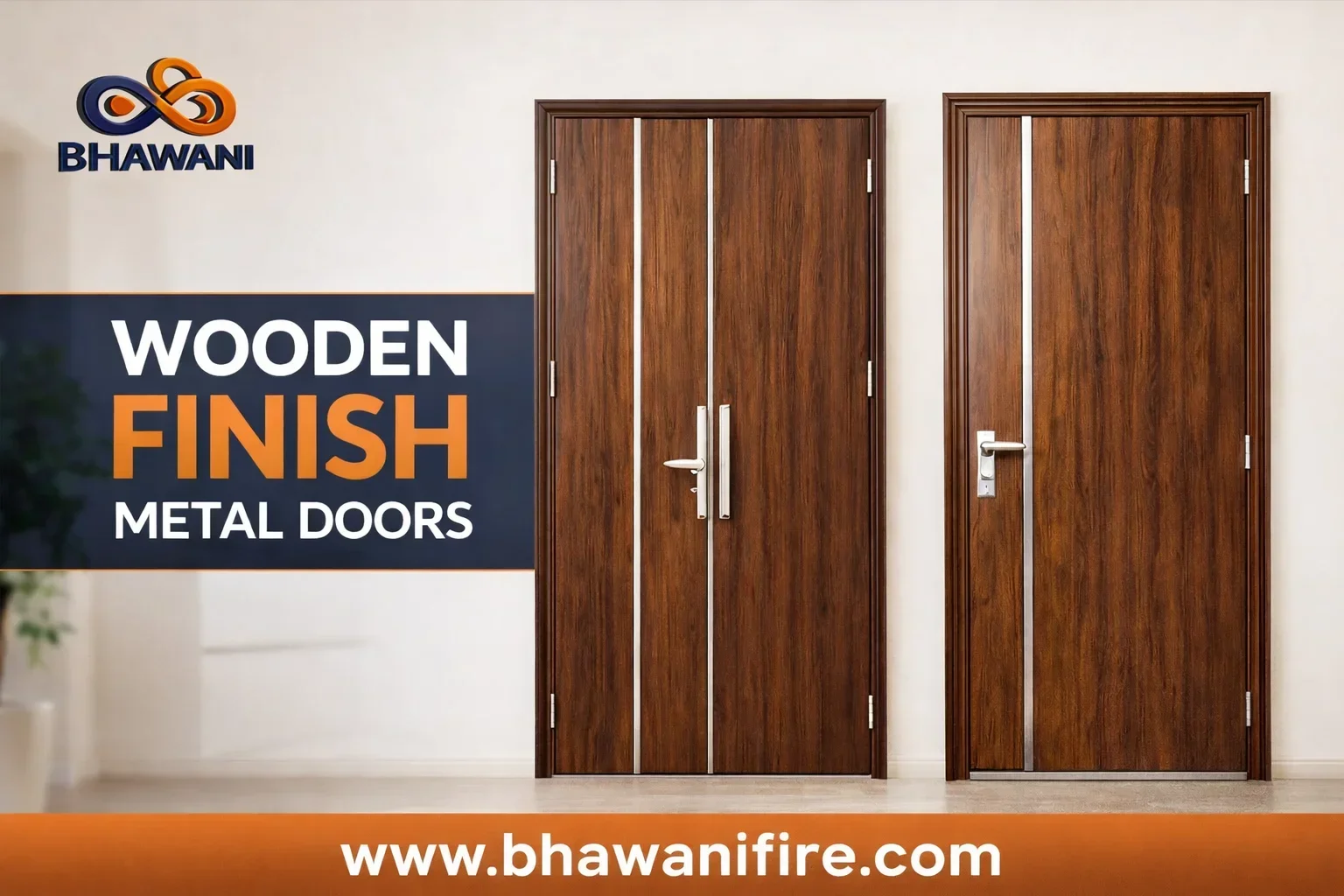
Door selection plays an important role in shaping the appearance, safety, and durability of a home. Many homeowners prefer the natural charm of wood, while others look for options that offer stronger protection and longer service life. This has led to growing interest in wooden finish metal doors, which combine the visual appeal of wood with the strength of metal construction.
When planning a residential space, understanding the difference between traditional wooden doors and modern metal alternatives helps homeowners choose the option that best suits their needs. Though both doors are popular due to their features. But when it comes to their performance in terms of durability, maintenance, and long term value, they do vary from each other.
Traditional Wooden Doors in Residential Spaces
Wooden doors have been widely used in homes for generations. Their natural texture and classic appearance make them suitable for a variety of interior and exterior spaces. Many homeowners appreciate the warmth and elegance that wooden doors bring to living environments. However, wood as a material can be sensitive to environmental conditions. Changes in temperature and humidity may cause swelling, shrinking, or surface damage over time. Continuous exposure to moisture may also affect the strength and appearance of wooden doors if they are not properly maintained. Maintenance is another factor homeowners often consider. Wooden doors may require periodic polishing, coating, or repairs to preserve their original look and structural quality.
Modern Alternative for Stronger Door Construction
Metal based doors with wood like finishes have emerged as a modern solution for residential buildings. These doors are designed with strong internal structures while maintaining the aesthetic appearance of wood. Many homeowners now prefer wooden finish metal doors because they provide the visual charm of traditional wood while offering improved strength and durability. The metal core structure helps the door resist warping, cracking, and damage that can occur with natural wood. In addition to durability, these doors often provide better resistance to environmental conditions such as moisture and temperature variations. This makes them suitable for both interior and exterior residential applications.
Comparison Based On Design and Aesthetic Appeal
Appearance is often one of the main reasons homeowners choose wooden doors. Natural grain patterns and rich textures create a classic look that suits many interior styles. Metal doors with wood finish are designed to replicate this natural beauty while maintaining stronger internal construction. Modern finishing techniques allow these doors to display wood like textures, colors, and patterns that complement contemporary home designs. Because of this combination of design and strength, many architects and homeowners now consider wooden finish metal doors for entrances, rooms, and other residential spaces where appearance and durability are both important.
Comparison Based On Long Term Value for Residential Properties
When planning home construction or renovation, long term performance is an important factor. Doors that resist damage and require minimal maintenance help reduce future expenses and repairs. Metal doors with wood finish provide this advantage by combining sturdy construction with attractive design. Their resistance to structural changes and environmental impact helps maintain their condition for longer periods.
Conclusion
Choosing the right door for a home involves balancing design preferences with practical performance. Traditional wooden doors continue to offer timeless beauty, but they may require more maintenance over time. Wooden finish metal doors combine the appearance of wood with the durability of metal construction. This balance makes them suitable for homeowners who want both elegance and long lasting performance. At Bhawani Fire Protection Pvt. Ltd., we focus on manufacturing doors that bring together structural strength, visual appeal, and quality craftsmanship to meet the needs of modern residential spaces.